

175 Years Forward: How BPI Continues to Bring Banking Closer to the Visayas
From a century-old landmark in the heart of Cebu to more than a thousand partner stores across the region, BPI’s story in the Visayas is one of heritage, accessibility, and banking that continues to evolve with the communities it serves.
For many Cebuanos, a trip to the grocery, pharmacy, or neighborhood establishment is simply part of everyday life. But increasingly, these familiar places can also serve another purpose: bringing banking closer to where people already are.
As the Bank of the Philippine Islands (BPI) celebrates its 175th anniversary, the country’s oldest bank continues to expand the ways customers can access its products and services—combining its traditional branch network with digital banking and partnerships embedded within local communities.
Across the Visayas, BPI currently has 101 BPI branches, 99 BanKo branches, six LSB branches, and 1,116 Agency Banking partner stores. Together, these channels form a network designed to serve individuals, families, entrepreneurs, and businesses across the region.

A Century-Long Connection with Cebu
BPI’s relationship with the Visayas stretches back more than a century, with its first branch in the region established in Iloilo. Cebu would soon become another important chapter in that story.
In 1924, BPI opened its third oldest branch on Jakosalem Street in Cebu City. The branch eventually transferred to the corner of Magallanes and P. Burgos Streets, where the BPI Cebu Main Branch continues to serve clients today.
More than just a place to bank, the historic property has become part of Cebu’s architectural and cultural landscape. It is also home to the BPI Museum Cebu, preserving pieces of the bank’s history and its relationship with the communities it has served through generations.
That relationship reached another milestone in 2024 when BPI commemorated 100 years of banking in Cebu.
In the same year, the historic BPI Cebu Main Branch was declared an Important Cultural Property by the National Museum of the Philippines and the National Commission for Culture and the Arts—recognition of a landmark that has become intertwined with Cebu’s cultural and economic heritage.
Banking Beyond the Traditional Branch
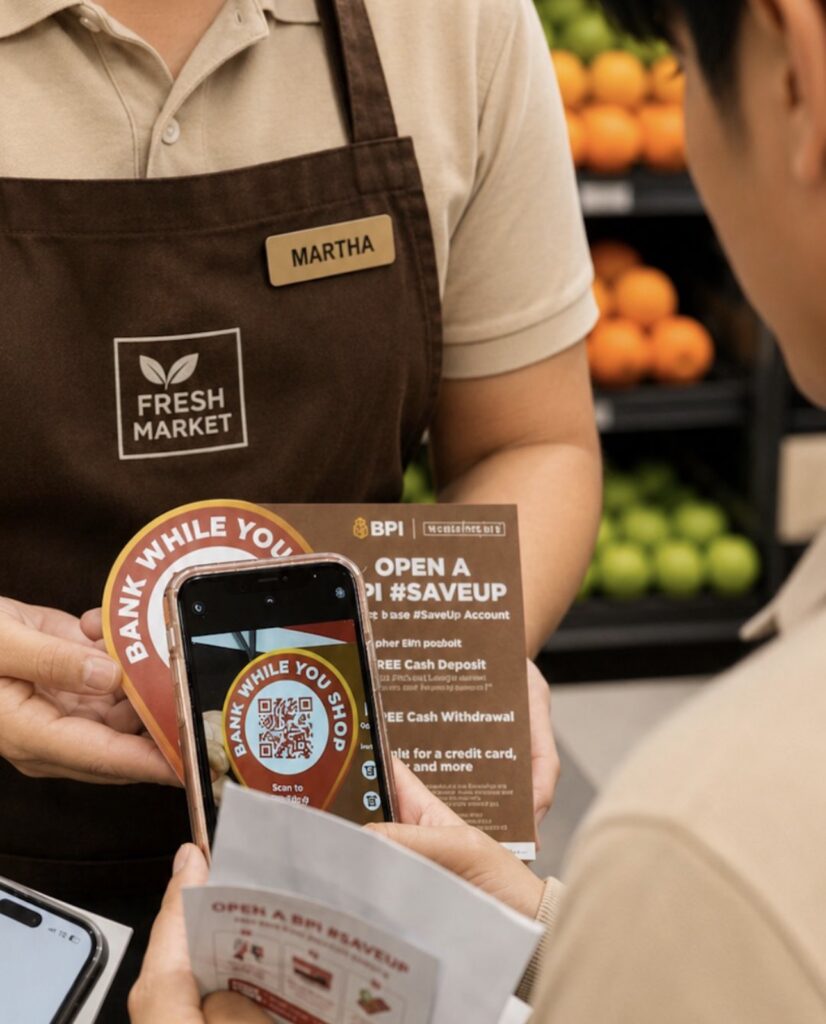
While historic branches tell the story of where BPI has been, its growing network of Agency Banking partners offers a glimpse of how banking continues to evolve.
Across the Visayas, 1,116 Agency Banking partner stores help bring select banking products and services into establishments already familiar to local communities.
These include names such as Prince Retail Group, Metro Gaisano, The Marketplace, Robinsons Supermarket, CVM Pawnshop, Daiso, Rose Pharmacy, and Uncle John’s, among others.
The concept is simple but meaningful: banking does not always have to begin with a visit to a traditional bank branch.
Depending on the services available at a particular partner location, customers may be able to open accounts, apply for selected BPI products, make cash-in and cash-out transactions, pay bills, transfer funds, and use BPI OneQR payments.
For customers, that can mean integrating certain banking needs into an ordinary day—whether they are buying groceries, visiting a pharmacy, or stopping by a familiar neighborhood establishment.
It is an approach that complements BPI’s branches and digital platforms rather than replacing them, creating more ways for customers to choose how and where they bank.
Bringing Banking Closer to Everyday Life
For BPI, expanding access across the Visayas is also about recognizing that communities and customer habits continue to change.
“The Visayas has always been an important part of BPI’s journey for more than a century,” said Cathy Santamaria, Chief Customer and Marketing Officer at BPI.
She noted that the establishment of BPI’s first Visayas branch in Iloilo marked the beginning of its longstanding presence in the region, while Cebu has continued to play an important role in the bank’s heritage and operations.
“Our presence in the region reflects our commitment to being where our customers are,” Santamaria added.
That idea—being where the customers are—perhaps best captures BPI’s evolving presence in the Visayas.
Today, that presence can mean walking into a century-old banking landmark in downtown Cebu. It can mean opening an app from home. Or, increasingly, it can mean accessing select banking services while visiting a grocery, retail store, pharmacy, or another establishment already woven into everyday routines.
175 Years of Heritage, With an Eye on What Comes Next
Reaching 175 years is inevitably an opportunity to look back. In the Visayas, BPI has more than a century of stories to revisit—from its beginnings in Iloilo to its historic presence in Cebu.
But longevity in banking is also about continuing to adapt.
By bringing together physical branches, digital capabilities, financial solutions, and an expanding network of Agency Banking partners, BPI is creating a banking ecosystem that connects its history with the changing needs of today’s customers.
For Cebu, the contrast is particularly fitting.
One side of the story is represented by a historic branch that has stood witness to generations of economic and social change. The other can now be found in familiar establishments throughout the community, where technology and partnerships are making selected financial services increasingly accessible.
From heritage buildings to neighborhood stores, BPI’s 175-year journey continues—bringing banking closer to the places, businesses, and communities that make up the Visayas.


